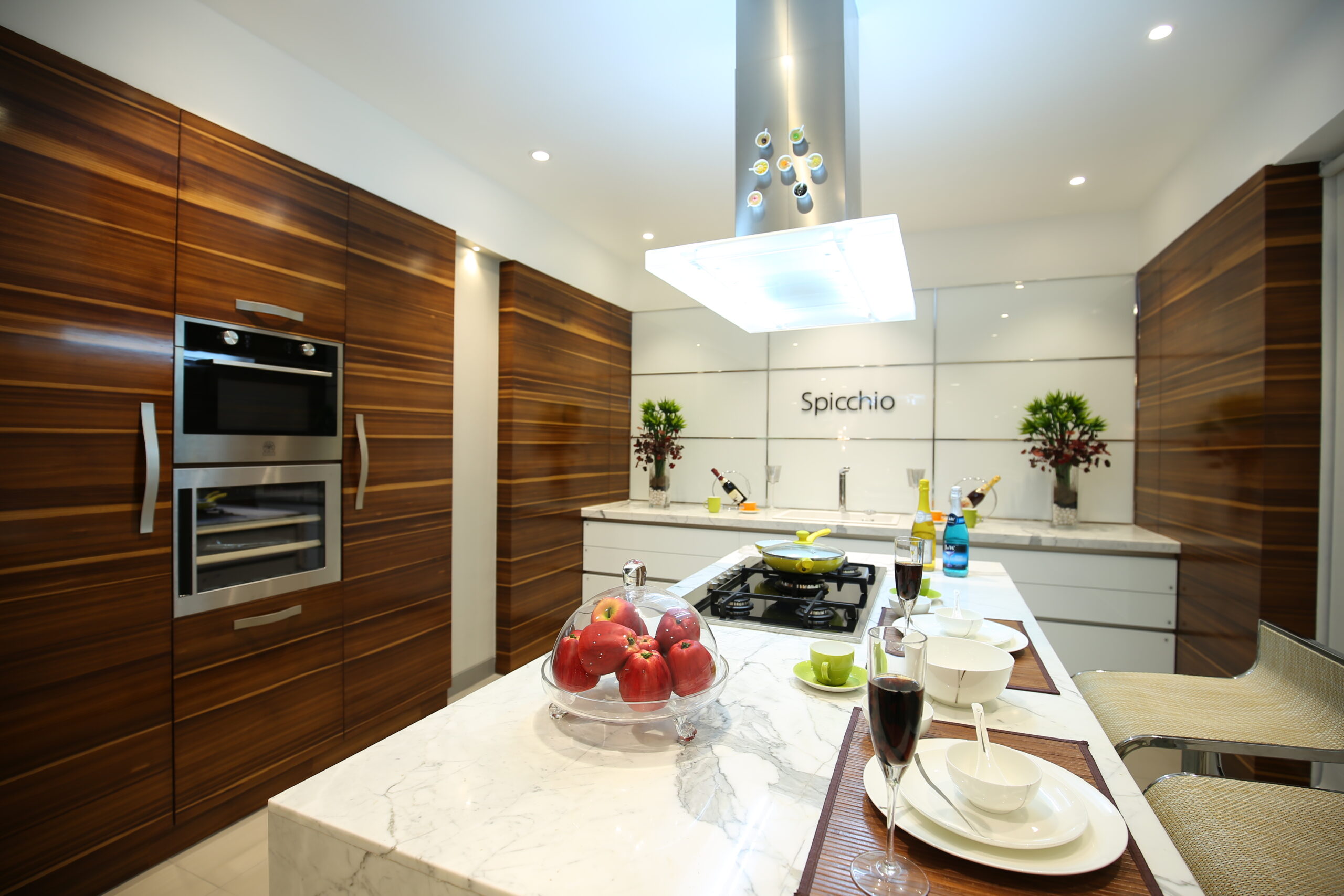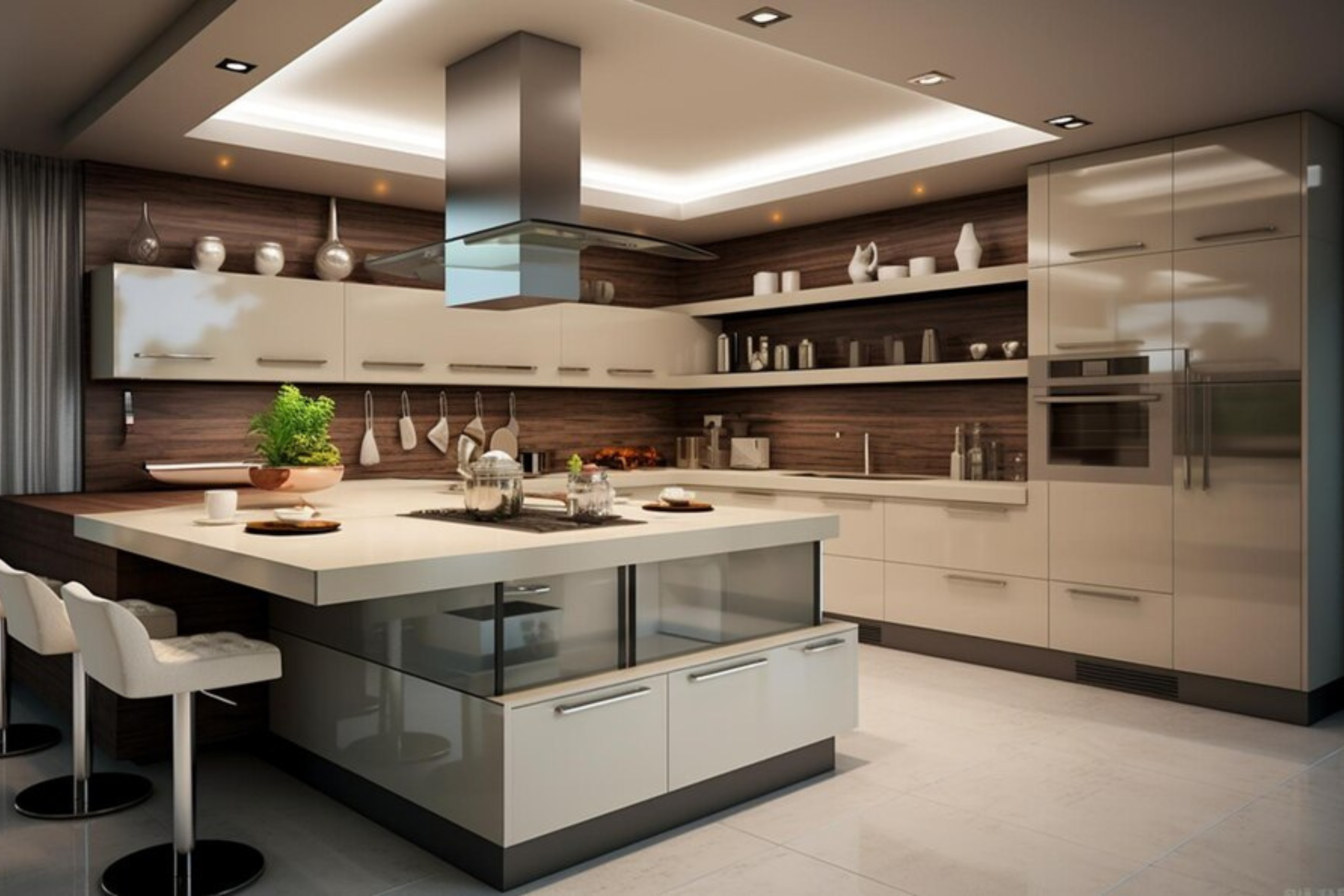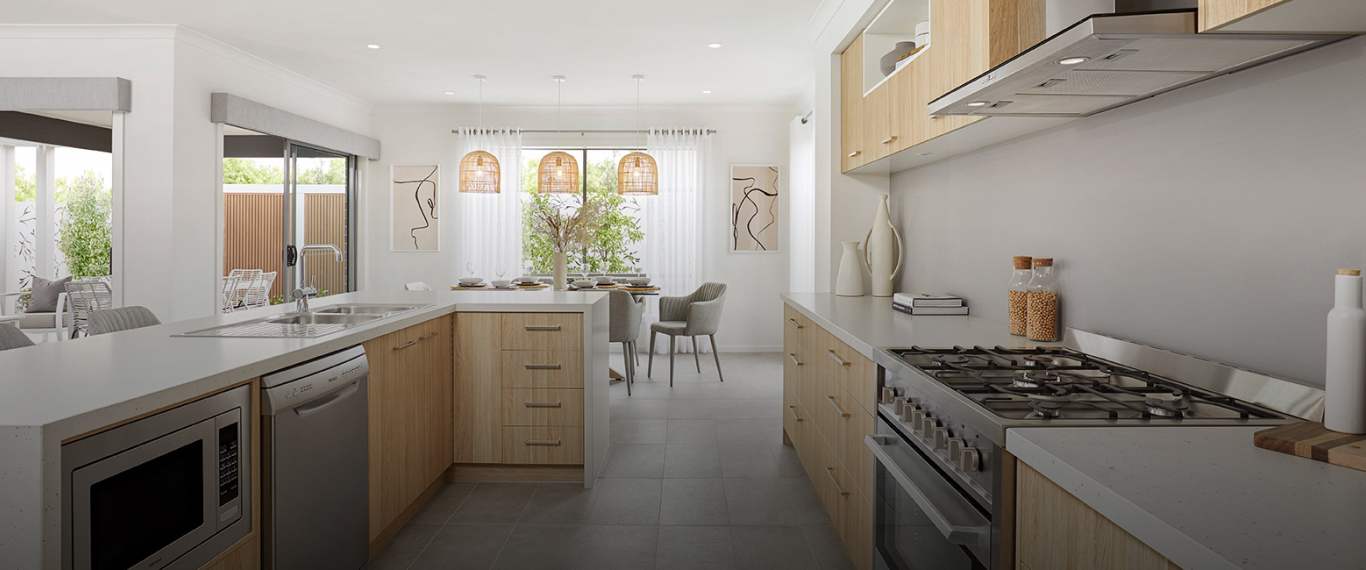
Kitchens are private spaces where the homemakers brew love for everyone! So, should they not feel luxurious, look opulent and simultaneously, be family-friendly? Of course, it should! And that’s precisely where designing a family-friendly luxury modular kitchen design comes in. If you’ve embarked on your journey to exploring luxury modern kitchen designs, you must consider […]
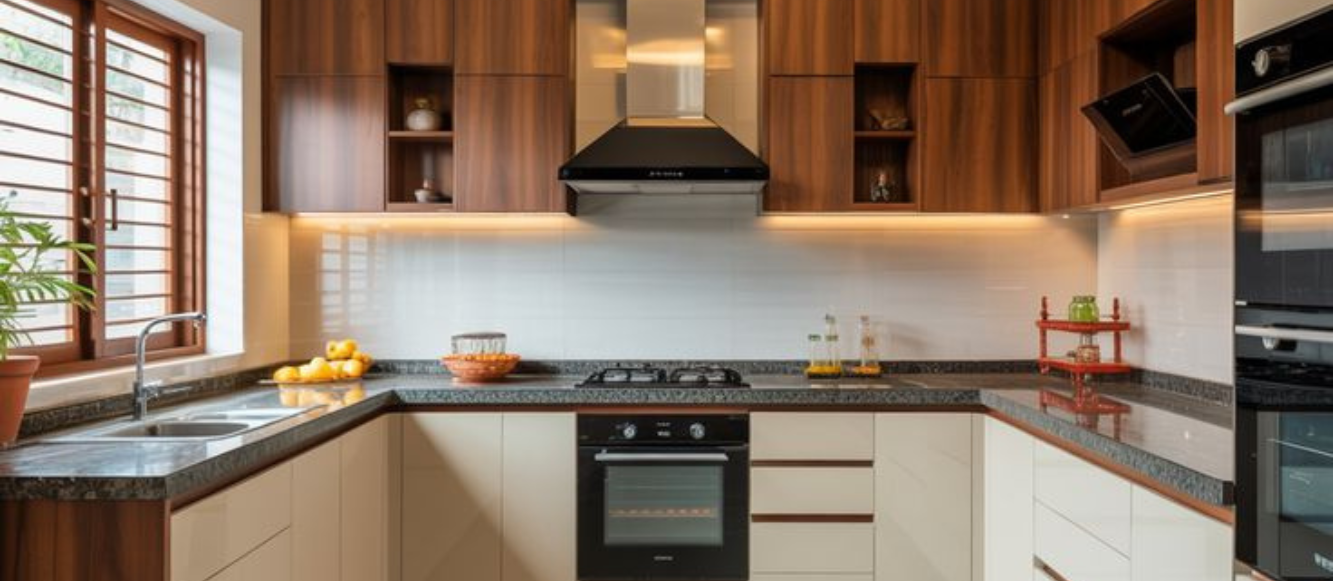
Luxury Modular Kitchen: Smart Technology Meets Premium Indian Design
Introduction
The luxury kitchen has changed completely. Beautiful finishes and quality cabinetry were once enough to define a premium kitchen. Today, that is the baseline. What separates a truly luxury modular kitchen now is intelligent integration. Your chimney activates automatically when the hob is lit. Your refrigerator monitors internal conditions and adapts to seasonal use. India’s smart kitchen appliances market reflects this shift clearly — it is growing rapidly and is projected to more than double in size within the next several years. This guide covers what smart integration costs, which design trends define the category, and where the real limits of smart technology lie in Indian cooking environments.
What Smart Home Integration Actually Costs
Smart kitchen automation is not a single investment — it falls across three clearly defined tiers. Knowing which tier serves your lifestyle prevents both underspending and overcomplicating.
Basic Automation
Entry-level smart integration covers the high-impact, low-complexity upgrades. Sensor-activated taps eliminate cross-contamination during food prep. Motion-activated lighting turns on as you enter the kitchen and off as you leave. Programmable exhaust fans run on timers or temperature triggers. This tier typically involves a modest additional spend over a standard kitchen fit-out. It is the right starting point for homeowners new to smart systems.
Mid-Range Integration
The mid-range tier connects individual appliances and unifies them under a single control panel or smartphone application. Your oven temperature, chimney speed, and kitchen lighting can be managed from one screen. This tier delivers a meaningful quality-of-life improvement and is suitable for most premium residential kitchens. It represents a moderate additional investment over the base kitchen cost.
Advanced AI-Assisted Automation
The top tier is a fully connected, AI-assisted kitchen environment. Every appliance communicates with a central system. Usage patterns are learned over time. Predictive maintenance alerts and automated grocery monitoring become part of daily kitchen operation. This level of integration adds a significant premium to the total kitchen project cost and is best suited to buyers who see the kitchen as a long-term technology investment.
Five Design Trends Defining Luxury Kitchens Right Now
1. Smart Storage Over Raw Volume
A bigger kitchen is not automatically a better kitchen. Modern luxury design focuses on intelligent access rather than sheer cabinet count. Modular pull-outs, adjustable shelving on removable pins, and convertible storage compartments make every cubic inch of existing space work harder. The goal is that every item is accessible within one or two movements — not buried behind something else.
Refrigerators that offer convertible internal zones — allowing sections to switch between fridge and freezer temperatures based on seasonal needs — embody this philosophy at the appliance level. Adaptability is valued more than raw capacity.
2. Invisible and Built-In Systems
Countertop clutter is incompatible with true luxury kitchen design. Built-in ovens, microwaves, and coffee machines sit flush within the cabinetry, visible only when in use. Preset automation handles routine tasks so the cook can focus entirely on the food. This approach also reduces decision fatigue — a built-in oven with baking presets removes the need to recall settings each time.
3. Emotional and Expressive Appliance Finishes
Kitchen appliances are no longer expected to look industrial. Premium brands now offer finishes like Mauve Pink, Pearl White, and warm champagne tones. These softer, more expressive options integrate naturally into open-plan kitchen and dining layouts. The kitchen is treated as a fully designed room — not a functional annexe.
4. Advanced Freshness and Air Management
Heavy Indian cooking produces strong, persistent odours. Garlic, tempering spices, and heavy oils linger and transfer to stored food over time. Luxury refrigerators now feature active odour-absorption systems that continuously filter internal air, preventing flavour transfer between compartments.
High-suction ventilation is the other half of this equation. A correctly specified chimney placed directly above the hob removes steam, smoke, and cooking odours at the source. This is non-negotiable in open-plan kitchens where cooking smells travel immediately into living and dining areas.
5. Subtle, Layered Lighting
A single overhead light source belongs in a utility cupboard, not a luxury kitchen. Layered lighting operates across three zones simultaneously. Task lights under wall cabinets illuminate cutting boards and prep surfaces directly. Warm ambient ceiling lights set the mood for the overall space. Internal cabinet lighting makes pantry contents visible at a glance without opening multiple doors.
Some premium refrigerators feature gradual internal lighting that slowly brightens as the door opens. This reduces the time the door stays open while improving the experience of using the appliance.
Voice Control in Indian Kitchens — An Honest Assessment
Voice-controlled kitchen appliances attract significant interest. A large proportion of urban smart-device users report that voice control meaningfully improves their daily convenience. But Indian cooking environments present specific operational challenges that designers must address honestly before recommending this layer of technology.
Where Voice Control Struggles in Indian Kitchens
- Acoustic interference: Pressure cooker whistles, high-speed mixers, grinders, and powerful chimney suction create noise levels that consistently disrupt voice recognition accuracy. Commands fail precisely when the kitchen is most active.
- Language and accent recognition: Automated voice systems frequently misinterpret regional Indian accents and mixed Hinglish commands. The gap between regional language diversity and current recognition capability remains significant across leading platforms.
- Infrastructure dependency: Voice systems require stable Wi-Fi and uninterrupted power. Any network fluctuation or power dip makes the interface temporarily inoperable — often at inconvenient moments.
- Financial premiums: Voice-enabled appliances carry a meaningful price premium over standard equivalents. A fully smart kitchen setup adds a noticeable percentage to the total project cost. Repair and maintenance costs are also higher due to integrated electronics complexity.
Voice control works well as a supplementary convenience layer. It should not be the primary control method for a high-use Indian kitchen. Design the kitchen to function perfectly without voice control first. Then add it as an enhancement layer.
Build the Foundation Before You Go Smart
No smart technology compensates for a poorly designed kitchen. Three foundational decisions must be locked in before any automation layer is considered.
First, optimise the work triangle. The spatial relationship between the sink, hob, and refrigerator must support efficient movement. Poor geometric planning is the most common kitchen design failure — and it cannot be corrected with an app.
Second, specify BWP plywood for all base cabinets and quartz for every countertop. These are not premium upgrades — they are minimum standards for a kitchen built to last 15 years. Do not compromise substrate quality to fund smart features.
Third, install a high-suction, correctly rated ventilation system. A powerful chimney directly over the hob removes smoke and steam efficiently. This single investment improves daily quality of life more than any voice-controlled feature available today.
Once these three foundations are in place, smart technology becomes a genuine enhancement to an already excellent kitchen. Without them, automation is an expensive feature that will feel inadequate regardless of its sophistication.
The Right Order of Decisions for a Luxury Kitchen
Plan the layout. Select the substrate and finish tier. Choose and position the appliances. Then add smart features that complement what is already excellent. This sequence protects your investment and ensures every rupee delivers measurable, long-term value.
Frequently Asked Questions
Q1. What defines a luxury modular kitchen in India?
A: A luxury modular kitchen is defined by premium finishes (PU, veneer, or acrylic), fully integrated built-in appliances, quartz or marble countertops, smart home connectivity layers, and thoughtful storage engineering. It is a complete lifestyle upgrade, not merely a visual one.
Q2. How much does basic smart kitchen automation cost?
A: Basic automation — covering sensor taps, motion lighting, and programmable exhaust fans — typically adds a modest amount to the overall kitchen budget. The exact figure depends on the number of zones automated and the brand of hardware specified.
Q3. Is voice control practical for Indian home kitchens?
A: Voice control is useful as a supplementary tool but faces real limitations in Indian kitchens. Pressure cooker noise, mixer interference, and regional accent recognition gaps reduce its reliability during active cooking sessions. It works best as a secondary control layer.
Q4. What is the smart kitchen appliances market trend in India?
A: India’s smart kitchen appliances market is growing rapidly. Projections indicate it will more than double in size over the next several years. This growth reflects increasing consumer interest in connected appliances, integrated controls, and automated convenience features.
Q5. What is active odour management in luxury refrigerators?
A: Active odour-absorption systems continuously filter the internal air of a refrigerator to prevent strong cooking odours from transferring between stored foods. This is particularly valuable in Indian households where strongly spiced dishes and aromatics are stored alongside delicate items.
Q6. What should I prioritise first in a luxury kitchen project?
A: Prioritise in this sequence: layout geometry, substrate quality (BWP plywood and quartz), ventilation capacity, and then appliance selection. Smart home features should be the last layer added — to an already excellent kitchen, not as a replacement for a strong foundation.
Q7. What are the five main design trends in luxury kitchens today?
A: The five current trends are: smart storage over raw volume, invisible and built-in appliance systems, expressive appliance finishes (Mauve Pink, Pearl White), advanced freshness and air management, and subtle layered lighting across task, ambient, and cabinet zones.
Q8. What is layered kitchen lighting and why does it matter?
A: Layered lighting combines three zones: task lights under wall cabinets for prep areas, warm ambient ceiling lights for overall mood, and internal cabinet lighting for visibility. This approach eliminates shadows, improves the cooking environment, and gives the kitchen a premium visual quality.
Q9. Can smart features be added to an existing kitchen?
A: Many smart features can be retrofitted. Sensor taps, smart lighting, and connected appliances can often be added without structural changes. However, fully integrated built-in appliances and unified control systems are significantly easier and less expensive to plan from the design stage.
Q10. What makes a chimney important in an open-plan luxury kitchen?
A: In an open-plan kitchen connected to the dining and living areas, cooking odours and steam travel immediately into the entire space. A correctly rated, high-suction chimney placed directly over the hob removes smoke and steam at the source before they can spread. It is the most impactful ventilation investment in any luxury kitchen.
Q11. What is the difference between mid-range and advanced smart kitchen setups?
A: Mid-range setups connect appliances under unified app controls. Advanced setups add AI-based pattern learning, predictive maintenance alerts, and automated routines built around observed cooking habits. Advanced setups carry a significantly higher cost and complexity.
Q12. Does voice control work with Indian regional languages?
A: Current voice recognition platforms support some Indian language input, but regional accents and mixed Hinglish commands are frequently misinterpreted. Performance is improving but is not yet reliable enough for voice control to be the primary kitchen interaction method.
Q13. What refrigerator features should I look for in a luxury kitchen?
A: Look for convertible internal zones that switch between fridge and freezer modes, active odour-absorption systems, French-door or multi-door configurations, and gradual internal lighting. These features address the specific challenges of Indian household food storage and cooking patterns.
Q14. Is a built-in oven essential for a luxury kitchen?
A: A built-in oven is strongly recommended in luxury kitchens. It removes countertop clutter, creates a cleaner aesthetic, and positions the oven at an ergonomically correct height. Preset programs for convection baking, roasting, and grilling add meaningful daily convenience.
Q15. What does smart storage mean in a luxury kitchen context?
A: Smart storage prioritises intelligent access over raw volume. Modular pull-outs, adjustable shelving on removable pins, and convertible compartments ensure every stored item is accessible within one or two movements. The standard is that nothing should ever need to be dug out from behind something else.
Q16. How does a luxury kitchen differ from a premium kitchen?
A: A premium kitchen features high-quality materials and soft-close hardware. A luxury kitchen adds fully integrated built-in appliances, smart home connectivity, custom storage engineering, layered lighting, and expressive finishes. The luxury kitchen is designed as a complete lifestyle environment, not just a well-fitted room.
Q17. What is the work triangle and why is it critical in luxury kitchen planning?
A: The work triangle describes the spatial relationship between the sink, hob, and refrigerator. An optimised triangle minimises movement during cooking. In luxury kitchens with large footprints, maintaining an efficient work triangle prevents the kitchen from feeling tiring to use despite its size.
Q18. What should I know about smart appliance maintenance costs?
A: Smart appliances with integrated sensors and connectivity components typically cost more to repair than standard equivalents. The complexity of integrated electronics adds layers of maintenance over the appliance’s lifetime. Factor this into the total cost of ownership when budgeting for a smart kitchen.
Q19. Are expressive appliance colours a lasting trend or a passing style?
A: Expressive appliance finishes like Mauve Pink and Pearl White reflect a broader shift in how kitchens are integrated into living spaces. As open-plan layouts become the standard in Indian premium housing, appliances are increasingly treated as design objects. This shift appears structural rather than trend-driven.
Q20. How do I balance smart features with practical kitchen durability?
A: Treat smart features as a layer added on top of a durable, well-specified kitchen. Substrate quality, countertop material, and ventilation must all be correctly specified first. Smart technology on a weak foundation is an expensive disappointment. Smart technology on a strong foundation is a genuine quality-of-life upgrade.
YOU MAY ALSO LIKE
-

Five Elements Every Luxury Modern Kitchen Decor Should Have
Read MoreIn India, kitchens have undergone a significant transformation in recent years. They’ve graduated from being conventional cookhouses to aesthetically designed tech-driven culinary spaces. While specifics vary, every modular kitchen décor comprises a few elements, without which, it won’t be complete. If you’ve been planning for a luxury modern and modular kitchen design, you’ve come to […]
-
Modular Kitchen Interior Design Ideas Trending in 2024
Read MoreWho doesn’t want a trendy modular kitchen design customized to their needs? Well, everyone does! If you also are looking for modular kitchen design incorporating the latest trends, Kitchen décor has got you covered! But before that, we will take you through some of the latest modular kitchen interior design ideas trending to let you have an […]
-

Luxury Walk in Wardrobe Design for Your Master Bedroom
Read MoreThe idea of a luxurywalk in wardrobe surely excites everyone! Of course, who wouldn’t want a space that serves as an exclusive room to dress up and also lets you store your outfits and accessories? However, what makes walk-in wardrobes even more enticing is the various design options that they offer. If you’ve been looking […]